Some children can talk about Minecraft for an entire car ride. Others turn the living room into a restaurant, inspect every bridge at the park, or linger at the shark tank window at the aquarium. In those moments, you can hear what matters to them—and wonder where it might lead.
As a parent, you may recognize that enthusiasm and still think, “How do I turn this into learning? What should I ask? What comes next?” Those are useful teaching questions. You already have a starting point: something your child wants to understand.
This is something I care deeply about as a mother, educator, and researcher. I love learning, and I love finding ways to make it enjoyable. My doctoral training helped me understand educational research, and I wanted to make that knowledge useful to parents in ordinary family life. That goal led me to create Word Adventures USA, a reading coach that helps parents connect everyday experiences with purposeful literacy learning.
Turning an interest into curriculum begins with noticing that starting point, choosing a worthwhile question, and helping your child develop the knowledge and skills to explore it. A simple memory aid—SPARK—can help you decide what to do next.
Begin with what already matters to your child
An interest might be a favorite game, cooking, vehicles, music, building, or dress-up. Listen for what your child finds compelling. A broad topic gives you possibilities; a particular question helps you choose a direction.
Two children looking at an old train in a museum may notice entirely different things. One wants to understand the wheels; the other imagines selling tickets to passengers. You might ask, “What would you like to find out?” or “Can you show me what caught your attention?”
Interest gives learning a purpose a child can recognize. A book may hold the answer to a question. Measuring may help a model fit together. With your guidance, the desire to find out can encourage the effort that developing a skill requires.
One influence on my thinking is Concept-Oriented Reading Instruction, or CORI. This approach brings reading instruction together with conceptual learning, often in science, and supports motivation through experiences, choices, and purposeful reading. It helped me think about how a familiar interest could lead into new knowledge.
From Minecraft to animals—and into new questions
One learning experience I created began with Minecraft. I compared the game’s animal mobs with real animals, using animal concepts from CORI to organize the exploration. The game offered a familiar starting point for thinking about living things: what they need, where they live, and how they survive.
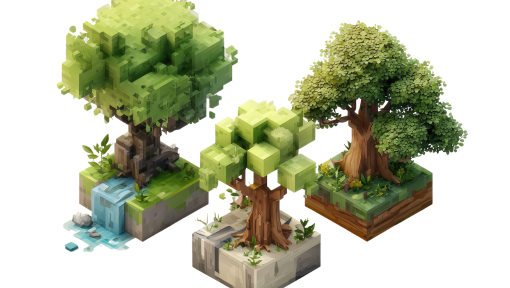
A parent could begin by asking, “What does this animal do in Minecraft? How could we find out what the real animal does?” Let your child explain the game, then choose one question to investigate together. A nonfiction book, a reliable wildlife resource, or an aquarium visit can help you check the comparison.
Now reading serves a question. Words such as habitat and adaptation help explain discoveries. A drawing or comparison chart makes similarities and differences visible. An older child might investigate how an animal’s features help it live in a particular environment. The interest has opened a path into science, vocabulary, reading, and explaining ideas.
Turn pretend play into purposeful learning
The same thinking works when a child loves pretend play. A living-room café needs a way for customers to choose their food. Invite your child to make a menu with drawings, dictated descriptions, or words they can write. Read it together and use it when you order.
When more customers arrive, count out cups. Introduce a useful word such as frothy or ingredient as you talk. If the play leads to cooking together, read a simple recipe and measure what you need. Each skill helps the child accomplish something that matters within the experience.
Notice the connection in both examples: the parent listens, introduces something worth exploring, and offers enough support to move the learning forward. A familiar enthusiasm can become an invitation to discover something new.
Help knowledge grow through connections
Connections are where an interest can grow beyond its original topic. A child building a sandcastle may wonder why one wall holds together while another crumbles. Compare damp and dry sand, describe the results, and try again. A question about a castle becomes an investigation of materials, water, and construction.
This is the knowledge growth I want parents to recognize: children connecting ideas, revising an explanation, and using what they have learned in a new situation. Their interests give us a place to begin; our guidance helps broaden what they can understand.
Researchers Suzanne Hidi and K. Ann Renninger describe interest development as a process that involves growing knowledge and value, with support from other people and the learning environment. For parents, that suggests making room to return to a worthwhile question and offering help as the exploration becomes more demanding.
You still have an active teaching role. You may read aloud, explain a new word, model how to measure, or provide explicit instruction in a skill. An interest gives that work a meaningful context. These experiences can sit alongside your planned reading and mathematics instruction.
Find learning in the places your family visits
An everyday errand can offer as much to discuss as a planned field trip. Follow the detail your child notices, then choose one connection to explore:
At the park, a fascination with bridges can lead to sketching, building, and measuring. Try a small bridge made from blocks or folded paper at home. Read about bridges together and compare designs. Words such as support, distance, and sturdy describe something your child is working to understand.
At the grocery store, let a child who enjoys planning meals help choose a picnic. Read a list, compare quantities, and decide how much everyone needs. A younger child might describe crunchy and smooth foods; an older child could compare prices within a small budget.
At the post office, sending a message to a grandparent gives writing a real audience. Address the envelope together and find the destination on a map. Curiosity about delivery can lead to investigating transport. When the letter arrives, talk about the journey it made.
At an aquarium, follow what catches your child’s attention: an animal, a diver’s equipment, or bubbles rising through a tank. Read a sign or ask a staff member a question. Later, find a book or make a labeled drawing to explore the idea further.

At an art museum, spend time with a painting your child chooses. Ask, “What do you notice?” and “What in the picture makes you think that?” Explore color, expression, and setting. Your child might imagine a story, then dictate or write it at home. Talk about which details came from looking and which came from imagination.
Let shared reading deepen the adventure
Let shared reading carry a question beyond the outing. A book may add information, offer another explanation, or give you words for something you saw. Ask, “Does this help us understand it?” Then leave time to talk, think, or try something.
Get support for the next step
Sometimes the hardest part is deciding what to say next. This practical need shaped Word Adventures USA. Its AI reading coach uses details about your child and the moment you describe to suggest a parent coaching plan, an activity to do together, and a progress journal entry. Vocabulary games give children another way to revisit words from an adventure.
You remain the person guiding the experience. Describe a fascination with a bakery counter or a question from a beach walk, then choose a suggestion that fits your child. The journal gives you somewhere to record words, questions, and discoveries to revisit.
The platform offers options for individual families and homeschool groups. My purpose in building it was to make research-informed guidance available when parents need it. The same planning questions below can help you develop an adventure of your own.
Try SPARK: five ways to help curiosity grow
I use SPARK here as a simple memory aid for parents. It brings the planning questions into five steps you can return to during play, shared reading, or an outing:
S — Spot the interest. What makes your child pause, return, or ask another question? Invite them to show you. You might discover that the attraction is designing a Minecraft home, choosing café ingredients, or imagining a painting’s story.
P — Pose a question. Choose one question together: “How does the real animal compare?” “How will customers know what we serve?” Aim for something you can explore, with a clear idea of the understanding or skill you want to develop.
A — Adventure together. Look closely, visit a place, build, cook, or try a small investigation. Let your child make choices. A kitchen table or neighborhood walk can provide plenty to explore.
R — Read and connect. Bring in a book, recipe, sign, map, or menu that helps answer the question. Explain vocabulary and teach a needed skill. Ask, “How does this connect with what we noticed or already know?”
K — Keep it growing. Invite your child to draw, explain, demonstrate, or write what they discovered. Their response helps you choose the next step. Ask, “What do you understand now? What are you wondering about next?”
Adapt the plan to your family
Adjust the support to your child. One sibling might dictate a menu while another writes descriptions and calculates an order. They can share an interest while working toward different learning goals.
Keep it playful. You do not need to complete all five steps during every outing. Some questions lead to weeks of exploration; others end with a good conversation. Leave room for enjoyment without an assignment.
Trust your knowledge of your child
Parents sometimes question whether they know enough to guide learning. Yet knowing what captures your child’s attention is valuable teaching knowledge. Pair it with books, reliable resources, and support from educators. “I don’t know yet. Let’s find out together” is a useful place to begin.
Helping parents feel capable is at the heart of my work. I want educational research to become useful in the moment a child asks a question—when a parent can see a possibility and feel ready to explore it together.
Start with one spark: a game, a pretend café, a letter, or something noticed on a walk. Follow it with a question, a shared experience, and a little guidance. As your child’s understanding grows, you can help them see how much there is to discover in the things they already love.
Dr. Nicole T. Kammer
Dr. Nicole T. Kammer is a professor, researcher, and mother who helps families connect children’s interests with meaningful learning. She createdWord Adventures USAandThe Storybook Coachto make educational research practical through everyday experiences and shared reading. Her work brings together literacy, science inquiry, and playful exploration.