Catch our full Podcast Playlist here on YouTube Here
There’s a conversation that more mothers need to have honestly, openly, and without shame: many moms are completely burned out.
Not because they’re weak. Not because they’re failing. And not because they “can’t handle motherhood.” They’re burned out because modern motherhood often requires women to carry an overwhelming amount of emotional, mental, spiritual, and physical responsibility all at once.
In my recent conversation with educator, consultant, and homeschool mom Jenna Myers, we talked about something that I think resonates deeply with women right now: the feeling of constantly running on empty while trying to hold everything together for everyone else.
What made this conversation so refreshing was that it wasn’t overly polished or filled with unrealistic advice. It was grounded in real life. Jenna shared her own experience of trying to juggle homeschooling, work, family responsibilities, caregiving, and the daily emotional demands of motherhood while slowly realizing that her nervous system was completely overwhelmed.
And honestly, I think a lot of women are living in that exact place without realizing it.
Meet Jenna Myers
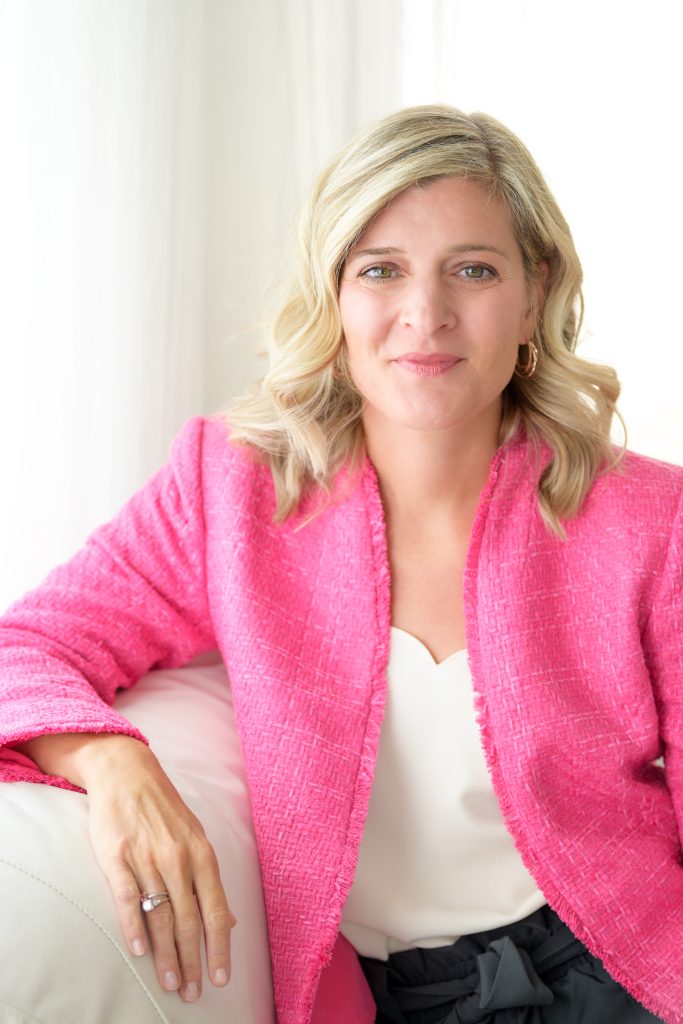
Jenna Lynn Myers is the author of Homeschooling With Purpose, Biblical Encouragement for Moms, owner of The Sophisticated Teacher, former classroom educator turned homeschool mom to three boys
The Stress of Modern Motherhood
One of the most important things we discussed was how normalized stress has become for mothers. So many women wake up already mentally overloaded before the day even begins. There are schedules to manage, meals to prepare, messages to answer, emotional needs to tend to, and an endless stream of decisions to make. Add in social media, work responsibilities, family obligations, and the pressure to “do it all well,” and many moms are functioning in a constant state of overstimulation.
The problem is that when chronic stress becomes normal, women stop recognizing how deeply exhausted they actually are.
Jenna talked about reaching a point where everyone in her household seemed dysregulated. The kids were overwhelmed, emotions were high, and tension was constantly present in the home. At first, it felt like everyone else was struggling. But eventually she realized something difficult but powerful: her own stress and exhaustion were affecting the emotional atmosphere of the family.
That insight is important because mothers often set the emotional tone of the home, whether they realize it or not. When a mom is constantly anxious, rushed, emotionally reactive, or mentally scattered, children tend to absorb that energy. It doesn’t mean moms need to be perfect or emotionally calm at all times. But it does mean that a mother’s wellbeing matters far more than many women have been taught to believe.
What Nervous System Regulation Really Means
We also talked about the phrase “nervous system regulation,” which has become more common recently, but at its core simply means helping the body return to a state of calm instead of constantly operating in survival mode.
Many women have spent so long multitasking and pushing through stress that they no longer know what genuine rest feels like. Even moments of silence can feel uncomfortable because their minds have adapted to constant stimulation.
Burnout does not always look dramatic. Sometimes it looks like irritability, brain fog, emotional numbness, snapping at your kids more easily, or feeling overwhelmed by small tasks. Sometimes it looks like never fully relaxing, even when there’s technically time to rest.
Jenna shared how health struggles eventually forced her to confront the reality that the pace she was living at was not sustainable. And unfortunately, many women don’t stop until their bodies force them to.
Why Moms Need More White Space
One thing Jenna shared that really stood out to me was her intentional decision to create “white space” in her family life. Instead of filling every day with activities, commitments, errands, or productivity, she began protecting certain pockets of time for rest, slower rhythms, and simply being present at home.
At first, she admitted that slowing down felt uncomfortable. And I think many women can relate to that. We live in a culture that often ties worth to productivity. A packed schedule can make us feel important, responsible, or successful. Meanwhile, rest can almost feel irresponsible. There’s this underlying fear that if we slow down, we are somehow falling behind.
But one of the most interesting parts of our conversation was the idea that constant busyness does not automatically create stronger families. In fact, many families are emotionally disconnected precisely because they are always rushing from one thing to the next. There’s very little room left for reflection, conversation, quietness, or meaningful connection.
Jenna talked about protecting slower days in her week, limiting distractions from her phone, and intentionally creating moments where her family could simply exist together without being pulled in ten different directions. And what she discovered was that peace often grows in the spaces where urgency is removed.
That really stayed with me.
Because many mothers are not lacking effort. They are lacking margin.
Rest Is Not Laziness
There’s also an important spiritual component to this conversation. As Christian women especially, many of us have learned how to serve others well, but we have not always learned how to care for ourselves in healthy ways.
Somewhere along the line, exhaustion became associated with faithfulness. The more depleted we are, the more devoted we must be.
But burnout is not a spiritual achievement.
Rest was never meant to be optional. God designed human beings with limits. Sabbath exists for a reason. Jesus Himself regularly withdrew from crowds, rested, prayed, and stepped away from constant demands. Yet many women carry guilt anytime they pause long enough to recover emotionally or physically.
What I appreciated about Jenna’s perspective was that she made rest feel practical and necessary instead of indulgent. Whether it was going on walks, muting social media, reading quietly, or protecting slower days at home, she emphasized the importance of creating rhythms that allow women to emotionally recover instead of constantly running on adrenaline.
Creating a More Peaceful Family Culture
Another meaningful part of the conversation centered around family vision and intentional family culture. Jenna shared how her family creates a simple family vision each year where they talk together about what matters most, what feels disconnected, and what they want more of in their family life.
Sometimes it’s as simple as wanting more family walks, more game nights, or more quiet evenings together.
That may sound small, but those intentional choices shape the emotional climate of a family over time.
Children don’t primarily remember whether every detail of life was optimized perfectly. They remember how home felt. They remember whether there was peace, emotional safety, connection, laughter, and presence.
And honestly, I think many women are craving that kind of peace again.
Not performative peace for social media. Real peace.
The kind that comes from slowing down enough to breathe, reconnect with God, and stop measuring your worth by how exhausted you are.
A Reminder for the Overwhelmed Mom
Toward the end of the episode, we talked about what we would say to the mom who feels like she cannot keep up anymore. And I loved Jenna’s answer because it was simple and compassionate. She said the first thing she would tell that mom to do is pause. Breathe. Pray. Sit quietly for a moment before trying to solve everything.
That sounds so simple, but for overwhelmed moms, even stopping can feel unfamiliar.
Sometimes women are so used to surviving that they don’t realize how deeply they need restoration.
This conversation was such an important reminder that motherhood was never supposed to be lived in constant survival mode. Women need support. They need community. They need healthy rhythms. They need rest. And they need spaces where they can be honest about how hard certain seasons can feel without immediately being met with guilt or unrealistic expectations.
Most importantly, they need to know that their value does not come from how much they can carry before collapsing.
Peace, margin, and emotional health are not luxuries for mothers. They are necessities.
Ways to Reach Jenna
Website: The Sophisticated Teacher
Instagram: https://www.instagram.com/thesophisticatedteacher/